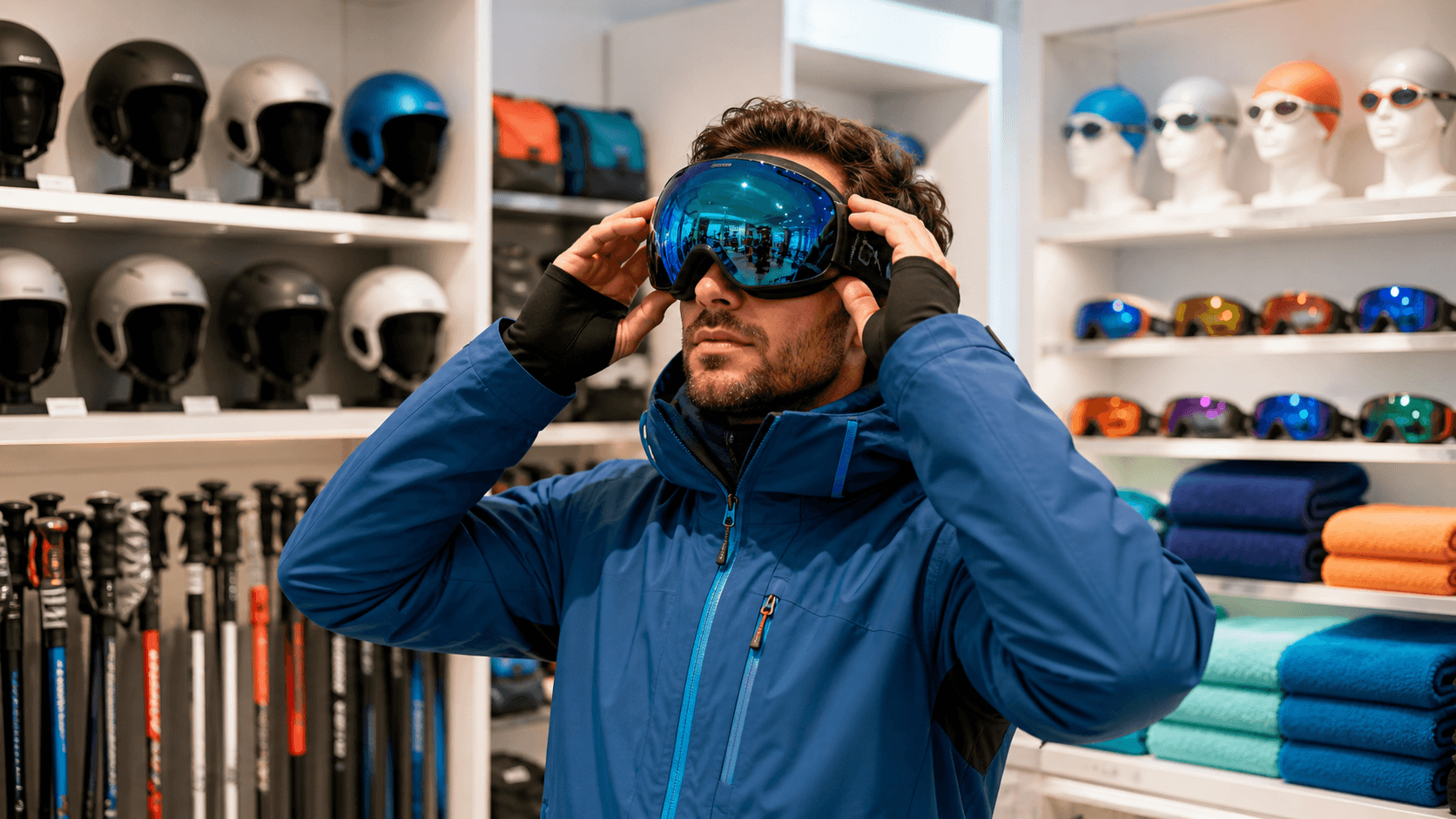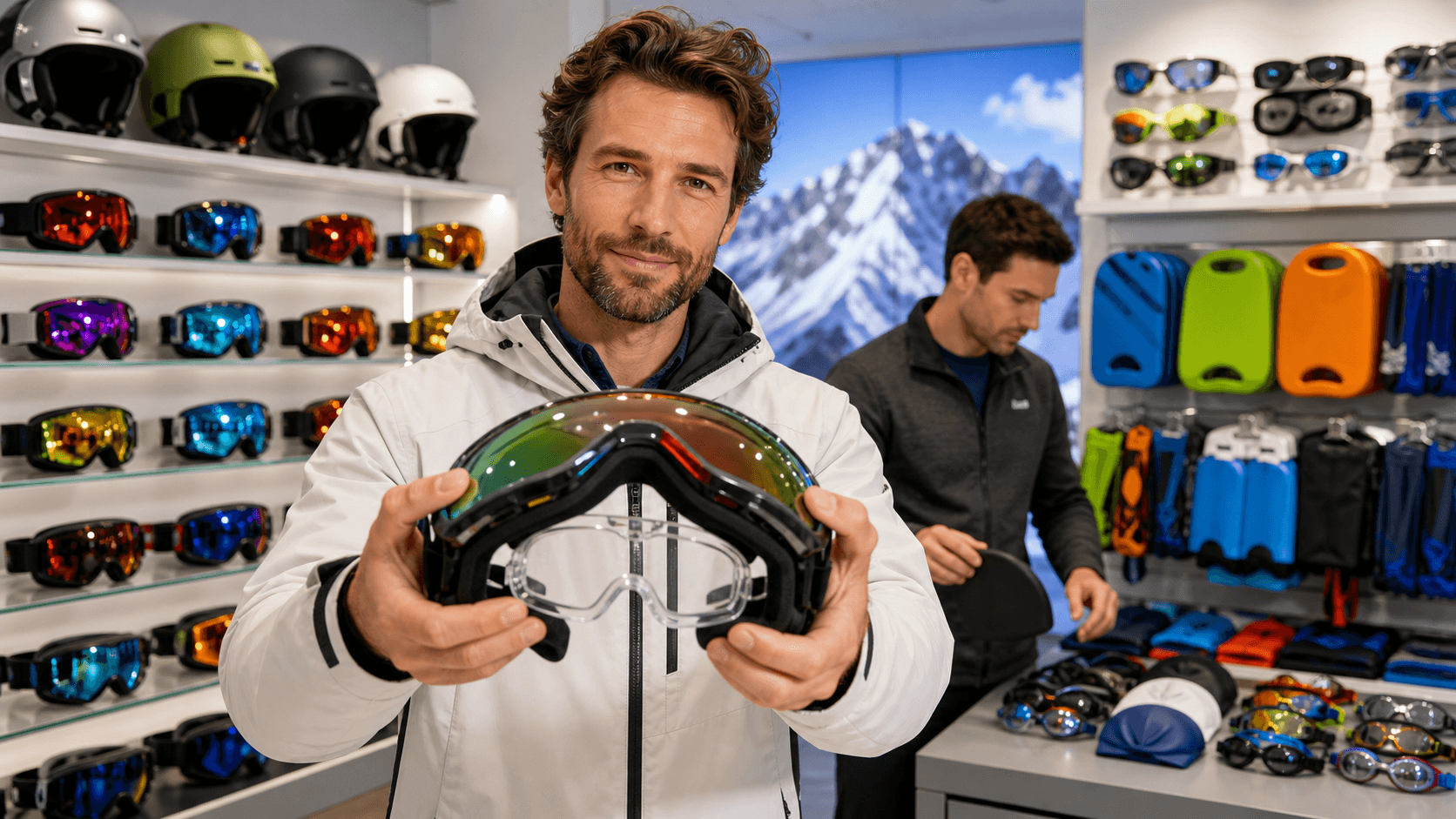
Skiing and snowboarding are a lot more fun when you can actually see where you are going. Clear vision on the mountain is not just about comfort; it is about staying safe when the weather and light change fast. That is where double-layer ski goggles come in. They are built to handle sun, snow, wind, and fog so your eyes stay protected and your view stays sharp.
In this article, we will walk through what double-layer ski goggles are, why they keep fog away better than old-school styles, and how to pick a pair that fits your face, your helmet, and your usual snow days. We will also share simple care tips so your goggles last across seasons, from early storms to slushy spring laps.
See the Mountain Clearly in Every Winter Condition
You start the day with bright blue skies, warm sun, and perfect corduroy. A few hours later, clouds roll in, wind picks up, and the snow starts flying sideways. On the mountain, conditions change fast, and your goggles have to keep up.
Double-layer ski goggles use two lenses instead of one. This design helps in three big ways:
- Cuts fog so you are not stopping every run to wipe your lens
- Shields your eyes from wind, snow, and harsh UV light
- Keeps your face more comfortable in cold, changing weather
At YLYueLang, based in sunny Sarasota where we live in heat most of the year, we think a lot about how gear handles temperature swings. Our focus is on durable, affordable goggles that work for winter ski trips as well as other outdoor adventures all year.
What Makes Double-Layer Ski Goggles Different
So what is actually going on inside those lenses? Double-layer ski goggles have:
- An outer lens that faces snow, sun, and wind
- An inner lens that sits closer to your face
- A thin air gap between them that acts as insulation
That air gap works a lot like a double-pane window in a house. It creates a thermal barrier, which helps keep the inner lens closer to the temperature of your face, not the freezing air outside. When the inner surface does not swing wildly in temperature, it is much less likely to fog.
Compared to traditional single-lens goggles:
- Double-layer lenses resist fog better during hard runs and chairlift rides
- They tend to stay clearer when you move between warm lodge air and cold outside air
- The layered build can also add strength, helping the lens handle small bumps and scratches
Modern lens materials and coatings add even more performance without making things feel heavy. Light plastics, smart tints, and anti-scratch and anti-fog treatments all work together so you can focus on your turns, not your gear.
The Science of Anti-Fog Protection for Your Eyes
Fog is just tiny drops of water forming on a cold surface. On the mountain, the outside air is cold, but your face is warm and your breath is moist. When that warm, damp air hits a cold lens, it turns into condensation. That is the fog that suddenly blocks your view.
Here's how double-layer ski goggles help fight it:
- The double-layer design smooths out temperature changes on the inner lens
- The air gap slows heat loss so the inner lens does not get as cold
- Anti-fog coatings on the inner lens help water spread out instead of forming beads
Good venting along the top and sides of the frame also matters. It allows a gentle flow of air that carries moisture out of the goggle instead of trapping it. Face foam plays a role too, sealing out harsh wind but still allowing just enough air to move.
These features really show their value in late winter and early spring. You might start the morning on cold, firm snow, then end the day in soft slush with higher humidity. Without proper anti-fog design, those changing temps can turn your goggles into a steamy mess right when the snow is getting tricky.
Comfort, Fit, and Safety on Long Ski Days
A goggle should feel like part of your face, not like a tight clamp or a loose toy. A good fit:
- Seals out wind and blowing snow around your cheeks and nose
- Sits evenly on your face without hot spots or gaps
- Still allows enough airflow to help prevent fog
Key comfort features to look for include:
- Adjustable straps that sit well over a beanie or helmet
- Helmet-friendly frame shapes so you do not get a painful pressure point
- Multi-layer face foam that is soft on skin but still supportive
- Lightweight frames so your face and neck do not feel tired by noon
Safety is just as important. Quality double-layer ski goggles often use impact-resistant outer lenses that help shield your eyes from ice chunks, tree branches next to the trail, and flying snow. They should also block UV light, which gets stronger at higher altitude and can be intense on bright snow. The right lens tint and shape can lower eye strain and improve depth perception so bumps and ruts are easier to see.
How to Choose the Right Double-Layer Ski Goggles
Picking goggles is a lot easier when you know what to look for. Start with:
- Lens color and VLT, or how much light the lens lets through
- Frame size that matches your face and helmet
- Strap adjustability so the goggles stay secure without feeling tight
For different conditions, think about:
- Bright sunny days: darker tints to reduce glare
- Stormy or flat-light days: lighter or rose tints that help you see bumps
- Night skiing: very light or clear lenses so you can see under the lights
Beginners who rent skis still benefit from owning their own goggles. Having a pair that fits your face and helmet means less fuss and more time learning. Weekend warriors may want a versatile lens that handles both sun and clouds. Frequent travelers heading to ski zones with big weather swings might prefer quick-change lens systems or a middle-tint lens that works fairly well in many conditions.
A smart move for families and budget-minded skiers is choosing goggles with a solid warranty and a focus on long-term use. At YLYueLang, we back our gear with a two-year warranty, so one pair can serve through many trips and seasons.
Care Tips to Extend Goggle Life and Performance
Your goggles work hard on the mountain. A little care keeps them going much longer.
For cleaning:
- Use a soft, clean microfiber cloth
- Gently blot moisture instead of scrubbing
- Avoid glass cleaners or harsh chemicals that can damage coatings
For drying and storage:
- Let goggles air dry at room temperature after a snow day
- Do not leave them on a heater or car dashboard
- Store them in a soft pouch or case to avoid scratches in your gear bag
On the mountain, try not to touch the inner lens with gloves, fingers, or tissue. The anti-fog coating on that inner surface is delicate. If snow gets inside, gently shake it out and let the lens air dry rather than wiping it.
Taking care of your double-layer ski goggles protects more than just gear. It protects your eyes from strain and keeps you from buying new goggles every season when a little care would have kept the lenses clear. When one pair lasts year after year, your eyes and your wallet both win.
Experience Clearer Vision And Comfort On Every Run
Choose YLYueLang to get gear that keeps your eyes protected and your view sharp in changing mountain conditions with our double-layer ski goggles. We design our lenses to reduce fogging, enhance contrast, and stay comfortable all day so you can focus on your lines, not your eyewear. Explore the range that fits your style and performance needs, and if you have questions about fit, features, or bulk orders, simply contact us.