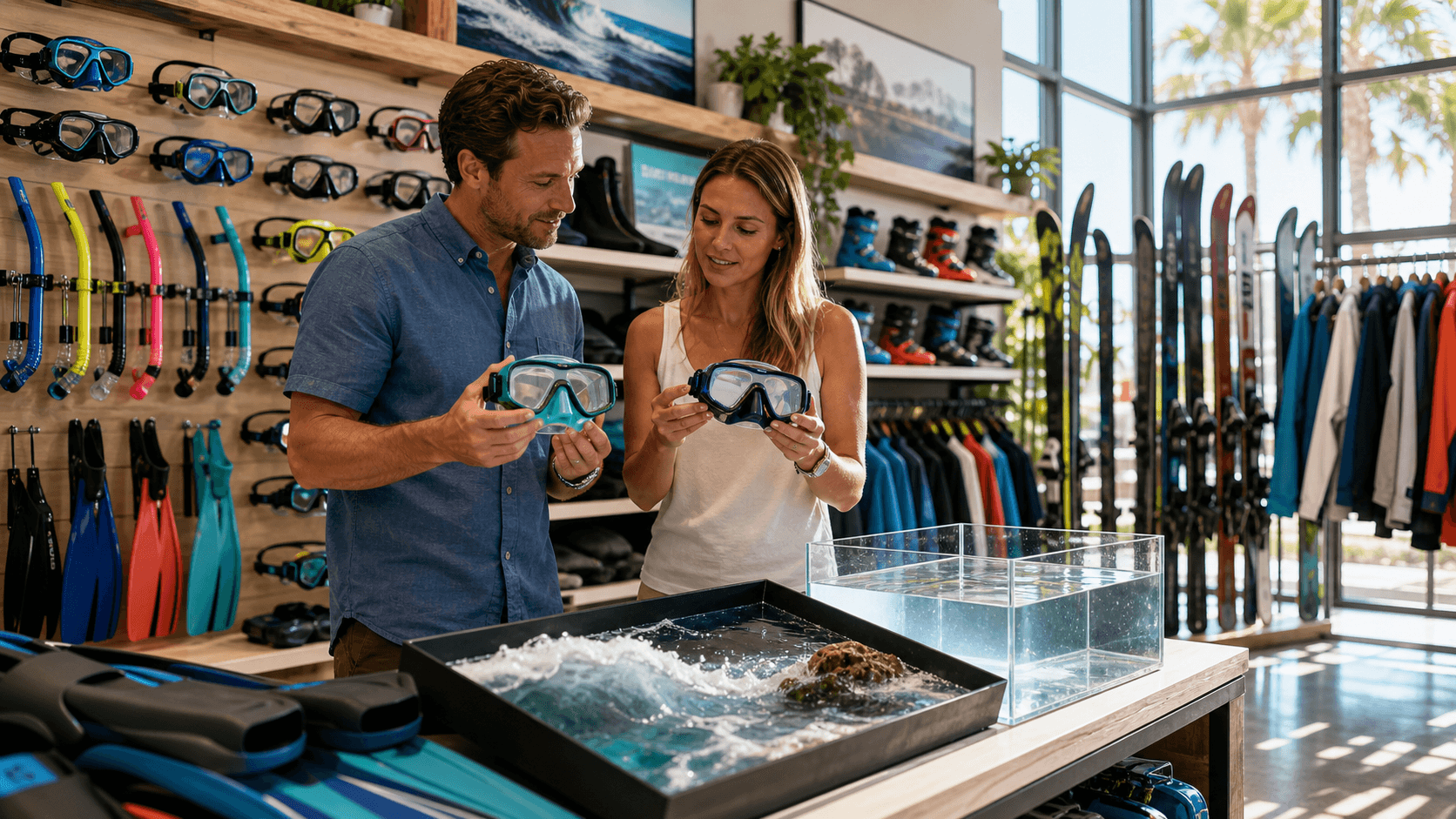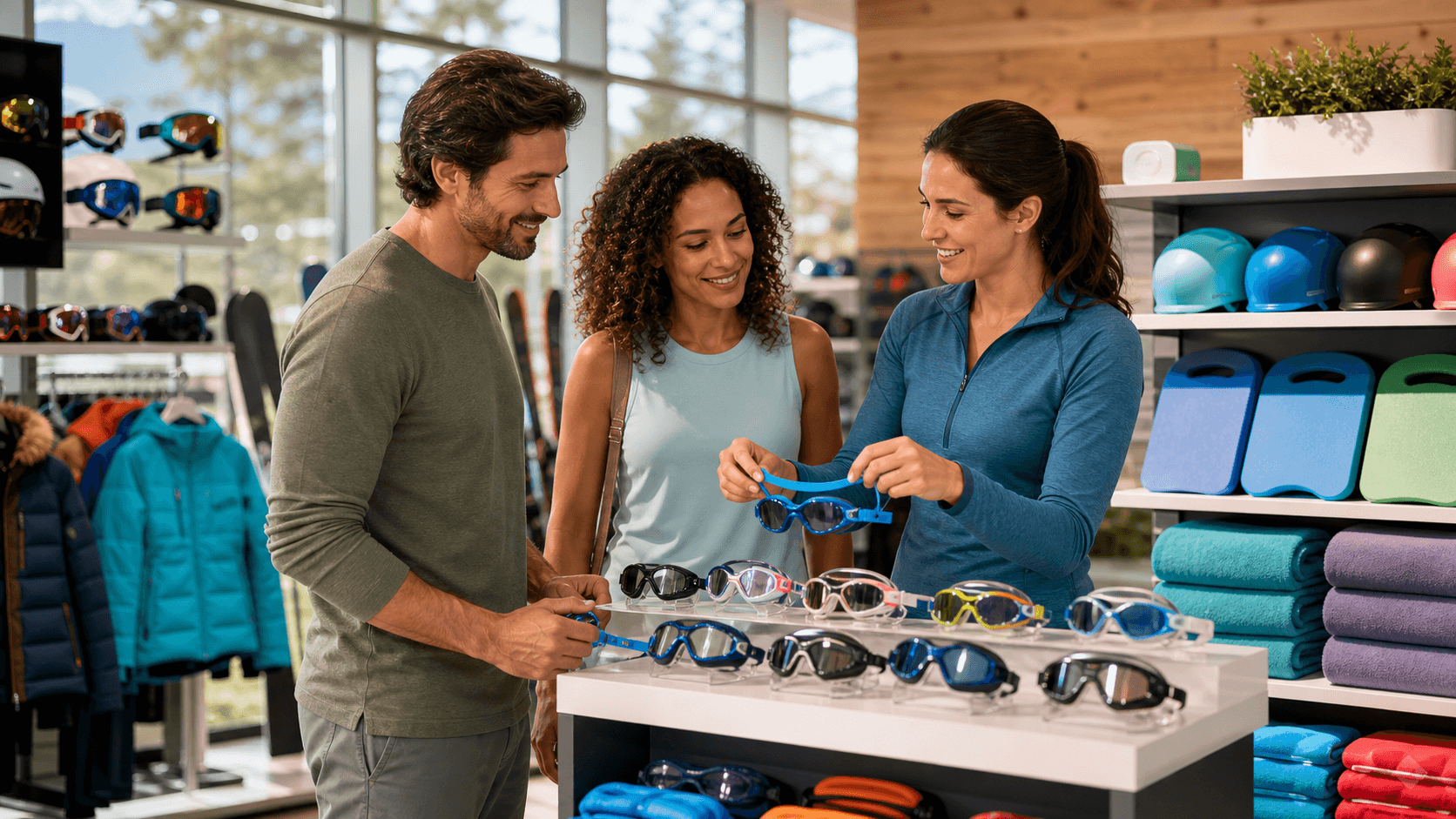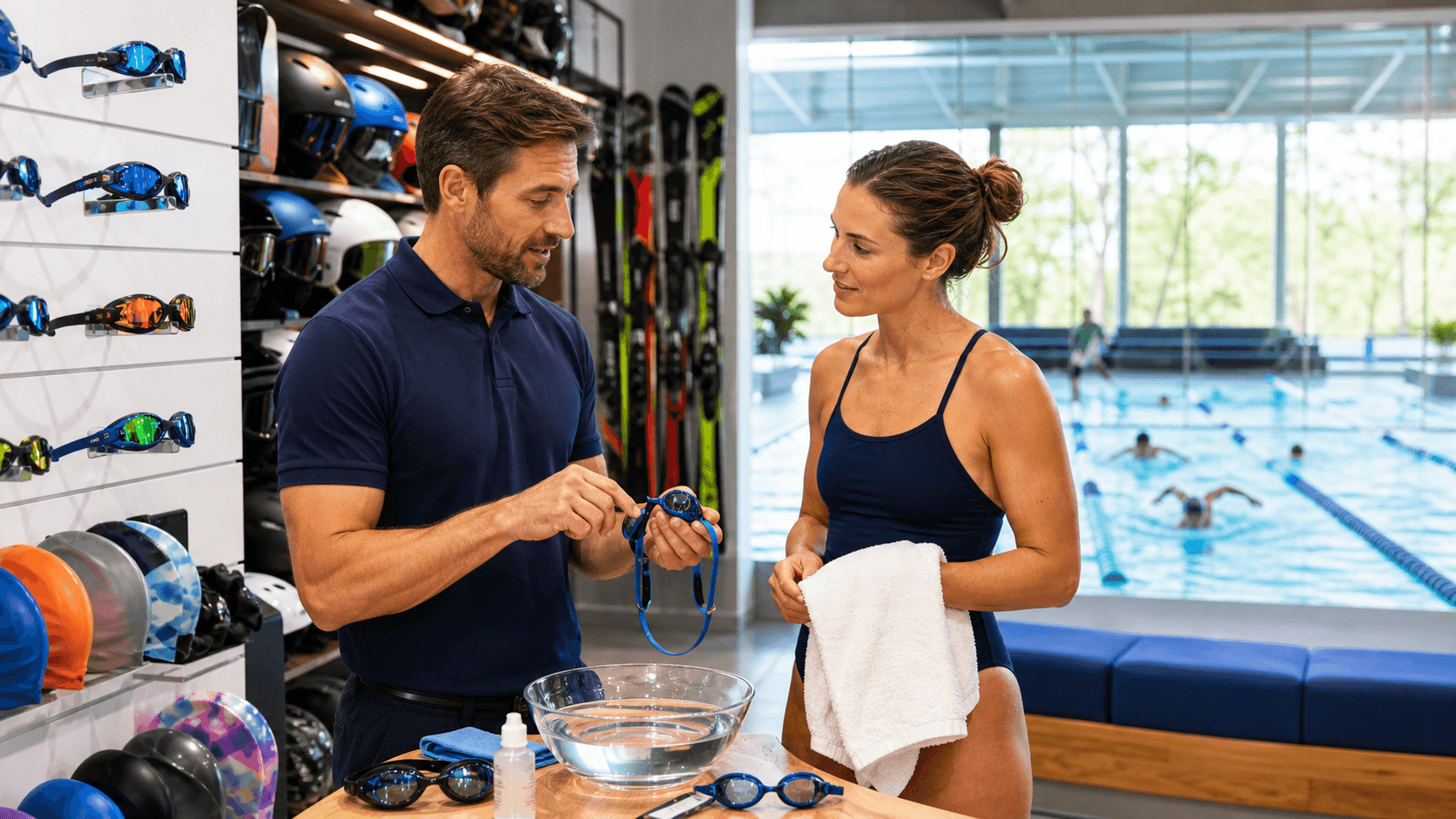
Swimming with foggy goggles is annoying, distracting, and in some cases a little unsafe. When your lenses cloud up, you stop mid-lap, yank your goggles off, wipe them, put them back on, then repeat the whole thing a minute later. Good form, steady pace, and even simple comfort all disappear behind that gray blur.
Fog is not always a sign of bad gear. Most of the time, it comes from a few common mistakes that slowly ruin the anti-fog layer on your lenses. As a warm-weather swim shop based in Sarasota, we see this a lot during hot summer lap sessions and triathlon training. Here is how anti-fog swimming goggles really work, the habits that ruin them, and how to keep your goggles clear from the first stroke.
See Clearly From the First Stroke
On a humid August afternoon, the air feels thick, the pool is warm, and your face is already sweaty before you hit the water. You start your set, feel strong for the first few strokes, then the world goes cloudy. Suddenly you are stopping at the wall, pressing goggles to your face, tipping them up to drain, rubbing with wet fingers, and starting again, a little more frustrated each time.
Many swimmers blame the goggles and think every pair is just poorly made. In reality, most modern goggles have decent anti-fog coatings. They are just being damaged without us noticing. The good news is that these problems are simple to avoid once you know what is going on inside those little lenses.
We are YLYueLang, an online outdoor sports shop based in Sarasota, Florida, and swimming goggles are a big part of what we do. Warm water, strong sun, and long summer seasons are normal here, so we pay close attention to what ruins anti-fog performance for regular pool and open-water swimmers. When you understand a few basics, every late-summer swim can feel clearer and more relaxed.
How Anti-Fog Swimming Goggles Really Work
Anti-fog coatings work by controlling how water sits on the inside of your lenses. Without a coating, tiny water droplets bead up into little spheres. Light hits those droplets, scatters, and your view turns into a cloudy mess. With an anti-fog layer, those same droplets spread out into a smooth, thin sheet of water that stays more transparent.
Summer fog can feel worse because of the heat and humidity. When the air is hot and sticky and the pool water is warm, there is a big difference between the temperature inside your goggles and the air outside. That temperature change makes moisture build up faster on the lenses, especially:
- In outdoor pools on humid afternoons
- During long, steady sets where your face stays warm
- In open water swims where you are breathing hard in hot air
Most swimming goggles come with a factory-applied anti-fog coating on the inside of the lenses. On top of that, there are sprays and drops you can add. These two can work well together, as long as you are gentle. The built-in layer is thin and delicate, and it gives you that nice clear view when new. Aftermarket products help refresh or support that layer, but only if the lens surface is not already scratched or stripped.
Everyday Habits That Destroy Anti-Fog Fast
The biggest anti-fog killer is also the most tempting: rubbing the inside of your lenses. When the fog shows up, it feels natural to swipe with a finger, a towel, or even your suit. That might clear things for a lap or two, but it is rough on the coating.
Here is what wears out anti-fog in a hurry:
- Wiping with fingers
- Buffing with a towel or shirt
- Scrubbing with the corner of a swim cap
Each of these adds tiny scratches and slowly scrapes off the layer that spreads water evenly. You may not see the damage at first, but the fog will come back faster and thicker over time.
Hot water and harsh cleaners cause a different kind of trouble. Very hot water can soften or strip the coating. Soaps, window cleaners, and alcohol-based wipes are even harsher. They break down that invisible film on the lens, so your goggles go from slightly foggy to always foggy.
Then there is what happens when we toss goggles anywhere. Dropping them into a hot car, tossing them into a sandy beach bag, or leaving them on a chlorine-soaked deck can lead to:
- Heat damage to coatings and straps
- Scratches from sand or rough surfaces
- Residue from sunscreen, oils, and chemicals
All of these make the lenses harder to keep clear, even if you use anti-fog sprays.
Fit and Fog Mistakes When Wearing Your Goggles
Fit and fog are closely linked. If your goggles are the wrong size or the straps are not adjusted well, water leaks inside. That warm pool water then meets the cooler air space near your eyes, forms steam, and the lenses fog up.
Common fit issues include:
- Straps that are too loose, causing leaks and constant readjusting
- Straps that are too tight, which make you fidget and press on the lenses
- Gasket shapes that do not match your eye sockets
When you are always adjusting your goggles, you are usually touching the lenses too, which only speeds up anti-fog damage.
Face products also matter. Sunscreen, makeup, lotion, and the natural oils on your skin do not mix well with anti-fog coatings. When lenses press onto a sweaty or sunscreened face, those oils can slip inside and spread across the inner surface. That thin layer of oil blocks the anti-fog and makes everything look smeared and hazy.
A quick solution is to rinse your face with clean water before you put your goggles on. A simple splash helps remove sweat, salt from an earlier ocean swim, or leftover lotion. That way, the seal has a cleaner surface to grip and less grime to pull into the gasket.
Cleaning and Storage Errors That Cut Life Short
Your goggles keep working long after practice if you treat them well right after you get out. Skipping a fresh-water rinse is a small mistake that adds up. Chlorine, salt, and lake debris stay on the lenses and straps, and over time they can damage both the anti-fog coating and the soft materials around your eyes.
Fresh, cool water is your friend here. A gentle rinse inside and out helps wash away:
- Pool chemicals
- Salt and sand
- Tiny bits of dirt or algae
After rinsing, how you dry your goggles matters. The best move is to give them a light shake, then let them air dry in the shade with the lenses facing down or resting on a soft, clean surface. What hurts them is rubbing with towels or T-shirts, which grind lint and tiny particles into the lens and create more micro-scratches.
Summer storage is one more place where anti-fog swimming goggles suffer. Heat is the enemy. Leaving goggles in a hot car, out in direct sun on the pool deck, or crumpled under wet gear in a closed bag can lead to warped straps, damaged seals, and coatings that break down faster than they should. A ventilated case or soft pouch kept out of direct sun protects your goggles from both heat and scratches.
Smarter Anti-Fog Habits for Every Summer Swim
A simple, gentle care routine can keep your anti-fog working longer and keep your view clear from lap one. After you swim, try this:
- Rinse goggles in cool, fresh water
- Gently shake off excess water
- Let them air dry in the shade
- Store in a protective case or pouch
When you use anti-fog sprays or drops, start with clean, dry lenses. Use a small amount, follow the product directions, and give it time to set before your next swim. Try not to rub it in with your fingers, just let it coat the surface as evenly as it can on its own.
It also helps to give your goggles seasonal checkups. Look over the straps, seals, and lenses at the height of summer training and again before you switch sports for ski season if you are a multi-sport athlete. If the lenses are badly scratched or the fog comes back almost right away, it may be time to replace them so your vision stays clear and safe in the water.
When we treat anti-fog swimming goggles with a little care, they reward us with clearer, calmer swims, even in the hottest Sarasota afternoons. By avoiding these common mistakes, you can keep your lenses working the way they were meant to and spend more time actually swimming and less time fighting the fog.
Swim With Clear Vision and Lasting Comfort Today
Upgrade your pool time with our premium anti-fog swimming goggles designed for crystal-clear visibility and a secure, comfortable fit. At YLYueLang, we focus on quality materials that help you stay focused on your strokes instead of battling fogged lenses. Explore our collection to find the style and fit that match your training or leisure needs, and if you have questions about sizing or features, feel free to contact us.