See Clearly, Play Harder: Picking the Right Goggles
Choosing the right outdoor water sports goggles matters more than most people think. A good pair can mean clear vision, no burning eyes, and less time adjusting your gear, and more time having fun. A bad pair can fog, leak, and slip at the worst moments.
Late summer in Florida often means bouncing between salty ocean waves and hotel or backyard pools. The water feels great, the sun is bright, and the only thing getting in the way is that stubborn pair of goggles that never quite works in both places. That raises a simple question: do you really need different goggles for the ocean and the pool, or can one pair handle it all?
At YLYueLang, we focus on outdoor sports gear, especially swimming and ski goggles built for real-world conditions. We are based in Sarasota, so we know what strong sun, salt, and humidity can do to both your eyes and your gear. Here, we will walk through how water type, light, and activity level change what you need from your goggles, so you can pick the most comfortable and protective pair for late-summer and early-fall water fun.
How Water Conditions Change What Your Eyes Need
Saltwater and pool water may both look blue, but they feel very different on your eyes. In the ocean, you are dealing with salt, sand, tiny bits of shell, and natural microorganisms. If that gets behind your lenses, your eyes can feel dry, gritty, and sore.
In a pool, the issue is usually chlorine and other chemicals. These can cause redness or a burning feeling, especially if you swim often or for long sessions. Both types of water can be tough on your eyes, just in different ways.
Water and light also play together in different ways:
- Ocean water can be dark, cloudy, or very bright, depending on depth and time of day
- Sand and waves can bounce sunlight right into your eyes
- Pools are usually shallow, clear, and color-controlled, with more even visibility
Because of this, the lens protection you need changes too. Open water usually calls for stronger UV protection and help with glare, since your eyes are exposed to direct sunlight for longer periods. Pool swimmers often care more about anti-fog coatings and a clear field of view, since they are turning, breathing to the side, and watching lane lines or kids at play.
Ocean-Ready Goggles for Open Water and Beach Days
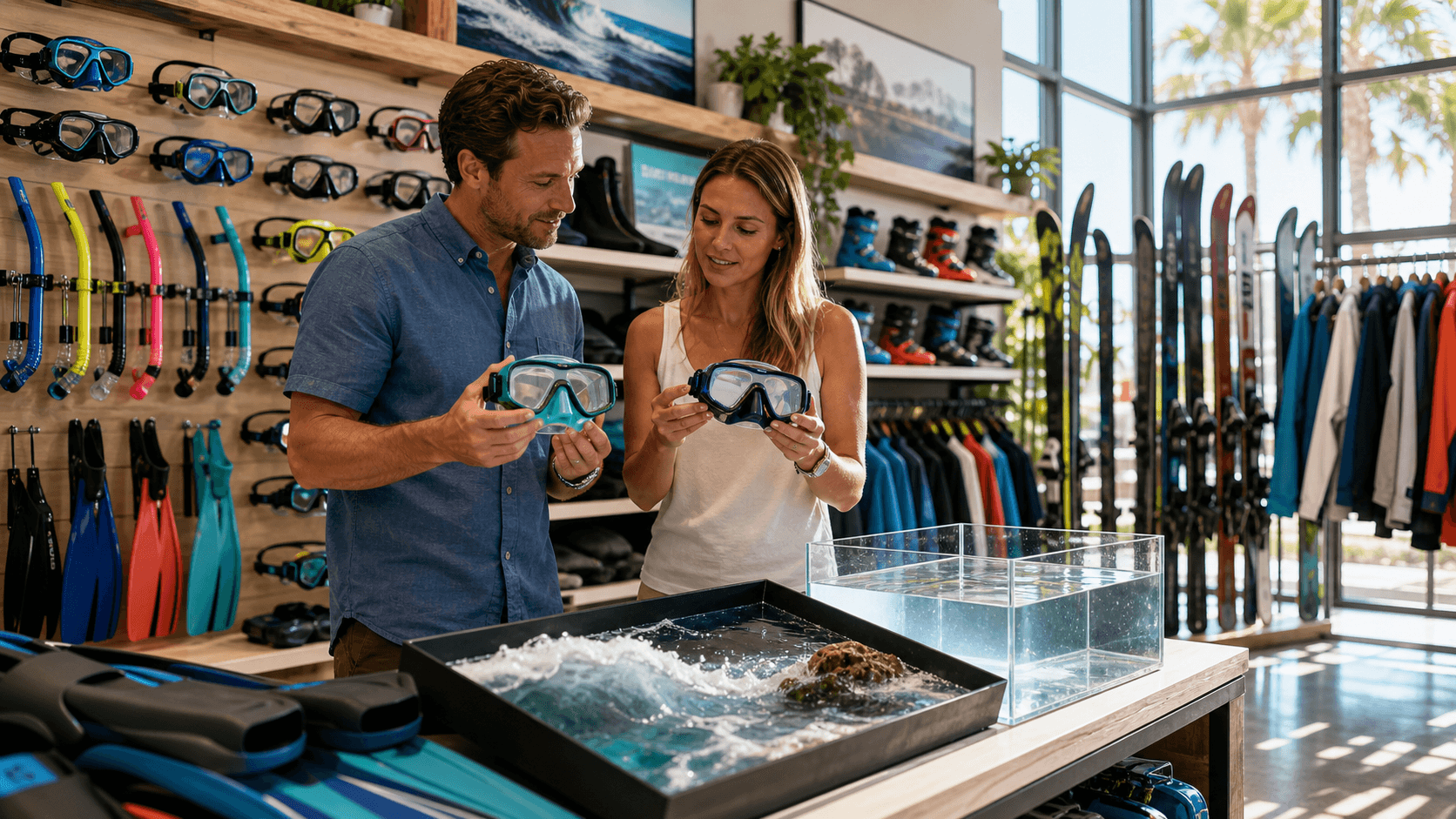
If you spend a lot of time at the beach or in open water, comfort and a good seal become a big deal. Long swims, body surfing, paddle sessions, or playing in waves all put your goggles to the test.
Here is what to look for in ocean-focused outdoor water sports goggles:
- Wide, soft gaskets that hug the eye socket without digging in
- A strap system that feels secure and does not pop off when a wave hits
- A fit that stays comfortable for longer swims or all-day beach use
Lens color and coatings matter too. Polarized or mirrored lenses can help cut the sharp glare that reflects off the ocean surface. Strong UVA and UVB protection is helpful when you are in and around the water for hours under late-summer sun. Slightly darker tints are often more comfortable for bright beach days.
Salt, sand, and sunscreen are rough on gear, so durability is part of the picture.
- Scratch-resistant lenses
- Parts that handle saltwater without rusting
- Simple, easy-rinse designs with fewer tiny gaps that trap sand
A quick rinse in fresh water after each ocean session, then gentle air-drying out of direct sun, can help keep your goggles clearer and more comfortable for longer.
Pool-Perfect Goggles for Laps, Training, and Play
Pool swimming is usually more controlled but a bit more intense on movement. If you are doing laps, flip turns, or drills, a lower-profile design is helpful. It stays closer to your face, moves less in the water, and is less likely to shift when you push off the wall.
For family pool time, you still want comfort, but you may not need a very large open-water style frame. Look for a shape that seals well without pinching, so kids and adults can wear them for a while without red marks or complaints.
Lens choice changes with the pool setting:
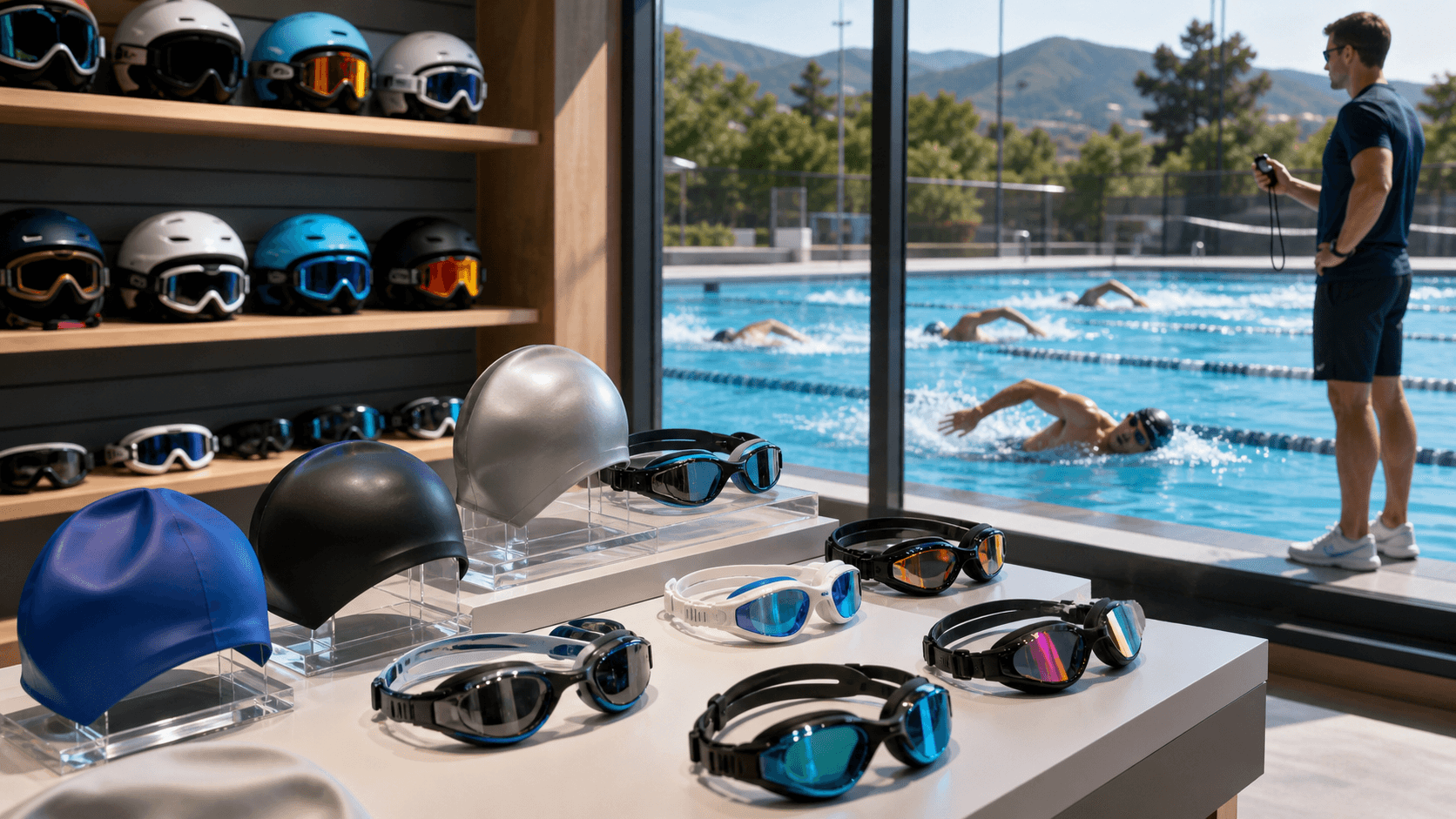
- Indoor pools: clear or lightly tinted lenses for sharp, natural vision
- Outdoor pools: light smoke or light mirror lenses to soften sunlight and surface glare
- Evening or shaded pools: stick with clear or very light tints
Anti-fog and clarity are big in pools, where you are watching lane lines, clocks, or kids moving around. To keep anti-fog coatings working longer, try not to rub the inside of the lenses. Instead, give them a gentle rinse, and let them air-dry when you are done.
Good hygiene helps too. Quick tips include:
- Rinse off heavy sunscreen or hair products before putting on goggles
- Gently rinse goggles in fresh water after each swim
- Let them dry fully before tossing them into a dark, closed bag
One Pair or Two? Matching Goggles to Your Activities
So, do you pick one all-around pair of outdoor water sports goggles or separate ones for ocean and pool? It depends on how you spend your time in the water.
Think about your habits:
- Mostly pool, with rare beach days
- Mostly ocean or open water
- About half and half between pool and ocean
- Kids or family who swim year-round in Florida
If you swim only now and then, one versatile pair might be plenty. Look for medium tint lenses that work in bright light but still feel OK indoors, and a frame that feels stable without being huge.
If you swim often, especially in both pool and ocean, having specialized pairs can make life easier. For example, a polarized or mirrored pair for ocean days and a lower-profile, clear or lightly tinted pair for lap swimming. Triathletes, regular open-water swimmers, and families who stay active in the water across seasons often find this setup more comfortable.
As late summer shifts toward early fall, many people squeeze in one more big beach weekend, then settle into more structured pool time or swim lessons. That is a good moment to check your goggles: Are straps tired? Lenses cloudy or scratched? This simple review can help you decide if you need to upgrade, and whether one or two pairs make sense.
How to Choose the Right Goggles on YLYueLang
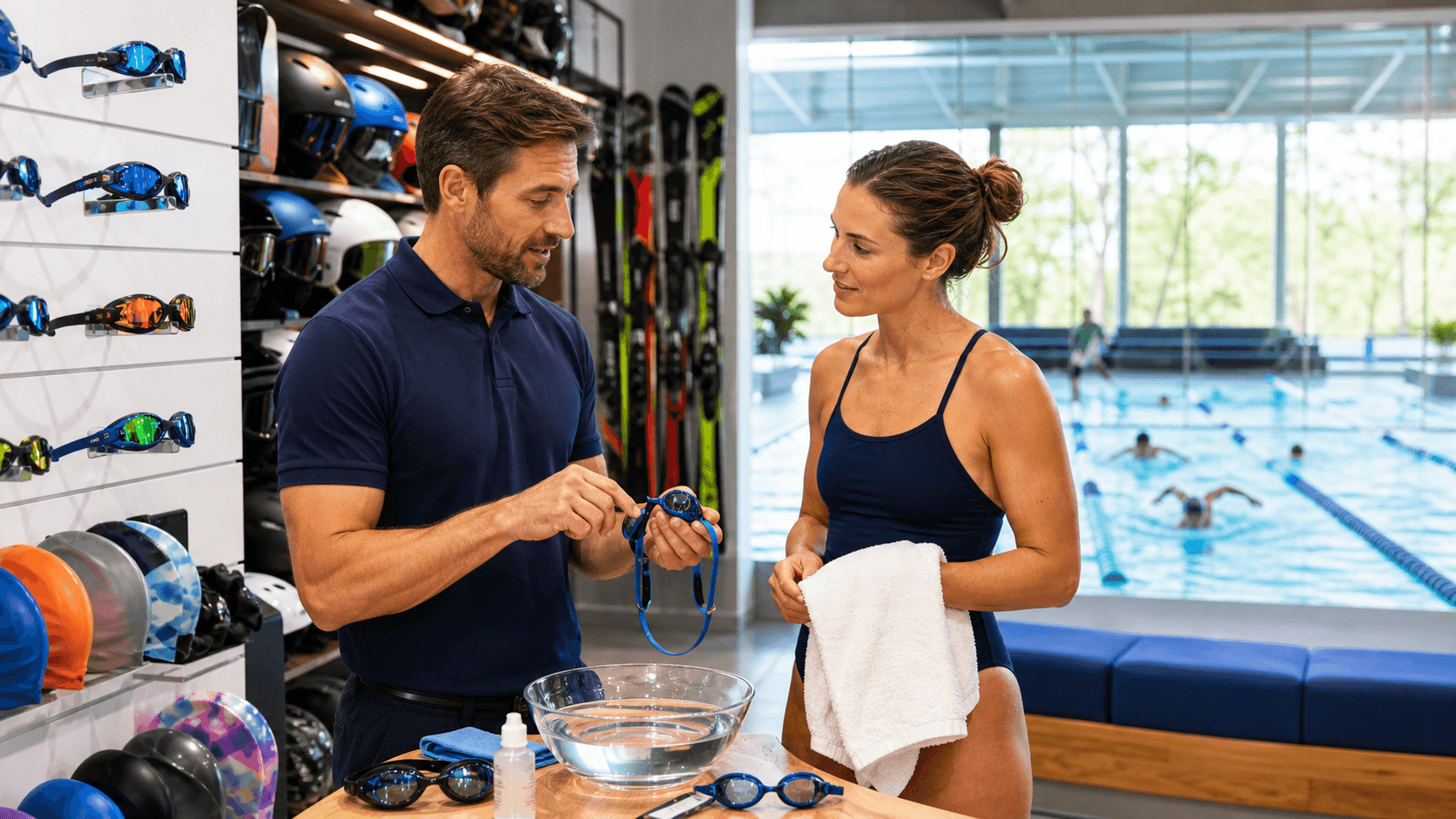
No matter where you swim, a good fit is the base of everything. A simple at-home fit check only takes a minute:
- Gently press the goggles to your eyes without using the strap
- See if they hold for a second with light suction
- Check that there are no sharp pressure points around the eye socket
- Adjust the nose bridge if the design allows, so the lenses sit evenly
Different types of swimmers have different needs:
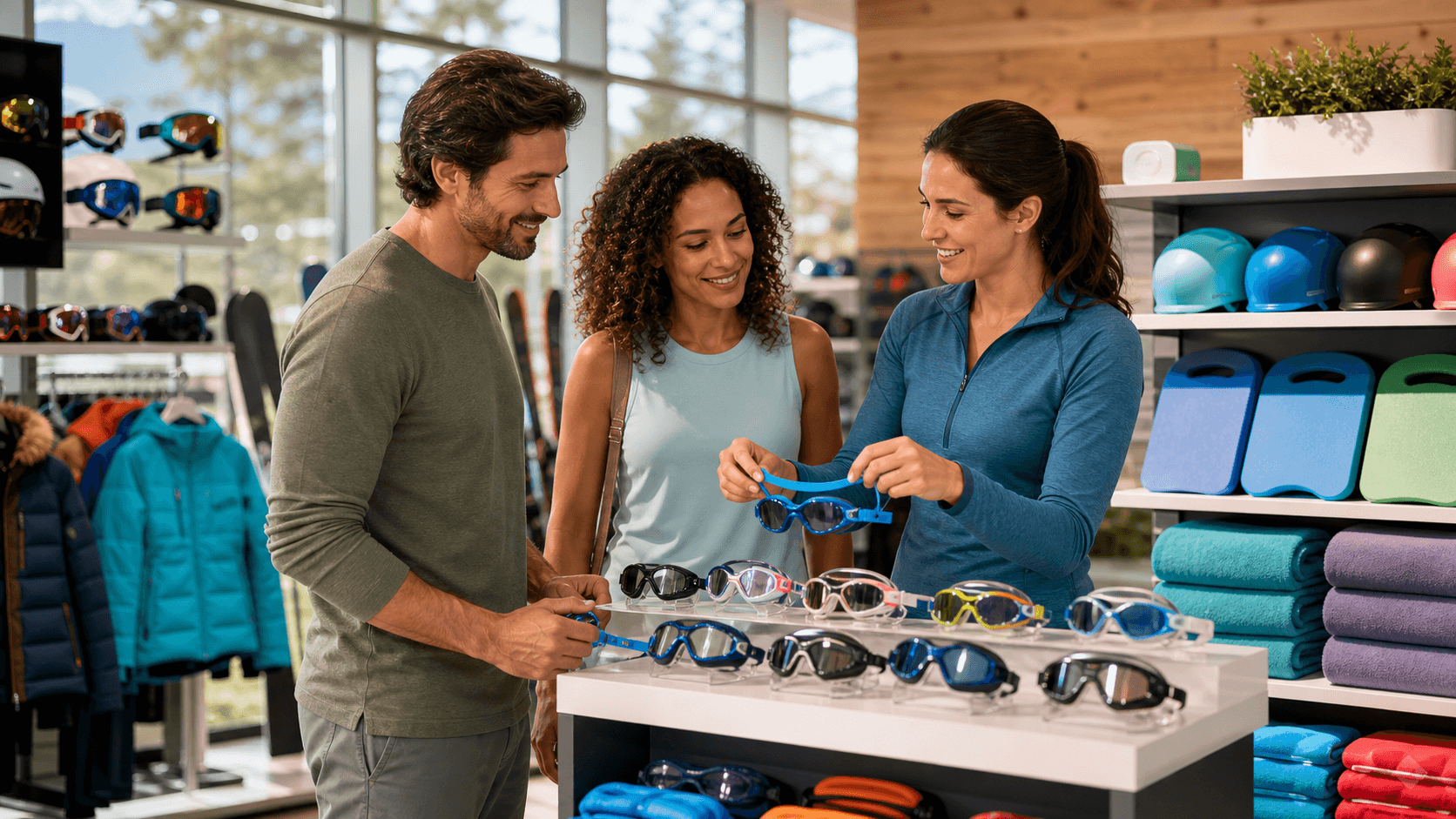
- Casual vacationers: soft, comfy gaskets, easy-adjust straps, medium tint lenses that work in both pools and ocean
- Lap swimmers: lower-profile frames, secure straps, strong anti-fog and clear vision for lane lines
- Open-water swimmers: wider field of view, polarized or mirrored lenses, strong UV protection and a solid seal
- Kids: flexible straps, gentle gaskets, simple adjustment points that adults can set and kids will not easily loosen
At YLYueLang, we focus on outdoor sports gear that fits real life here in Florida, from bright sun to salty air. Our outdoor water sports goggles are backed by a two-year product warranty, which adds some peace of mind when you are gearing up for regular pool time, ocean adventures, or both.
Upgrade Your Water Adventures With Crystal-Clear Vision
Experience how much more you can enjoy every swim, surf, or paddle session with our premium outdoor water sports goggles designed for comfort and clarity. At YLYueLang, we focus on fit, visibility, and durability so you can stay confident in changing outdoor conditions. Explore our collection to find the right pair for your next adventure, or contact us if you need help choosing the best option for your needs.